Install Alfresco On Ubuntu Server Desktop
To install Alfresco Community Edition in Ubuntu Alfresco is an open source Content Management System that allows the organizations to manage all type of contents and. Posted by Daniel Lanza on May 7, 2016. This tutorial will explain how to install Alfresco Community Edition 5.1 in Ubuntu Server 14.04. In this example, Ubuntu Server.
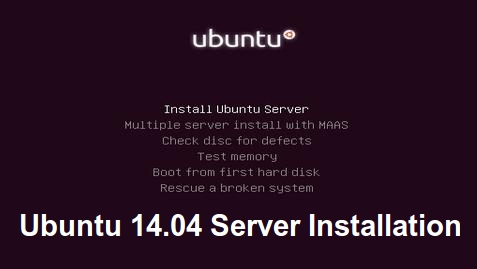
There's no specific distribution called “Ubuntu server”, it's all Ubuntu. There are different installation media for Ubuntu desktop and server, but the difference is only in the initial installation program and the set of packages included. The server installation media doesn't install a GUI by default, but it's just a package installation away. To install a desktop environment, you'll need to enable package installation from the Internet (the desktop packages aren't on the server installation CD). The installation program should have done that for you if it found an Internet connection, but apparently it didn't. Then run these commands to install a desktop environment: sudo apt-get update sudo apt-get install ubuntu-desktop You should get a graphical login prompt at that point (I'm not completely sure; if you don't get one, reboot).
Once you have a GUI, you should go and enable a few more, at the very least security updates and the universe repository. Click on the Ubuntu button, and search for 'Software Sources”, and check the “restricted”, “universe” and “multiverse” boxes (in addition to “main”) in the first tab, and check at least “-security” and “-updates” (and you might as well check the others) in the “Updates” tab.
Ubuntu Server never comes with a GUI. All activities that you need to do on a server can to be done through terminal. Even if you download the GUI, you will probably be able to access internet and get online support via forums or through chat. But there are no server / activities management tools for linux as yet which need a GUI for management. If you are looking for some GUI similar to Windows Server, then such GUI does not exist for Ubuntu Server. But you can download a Ubuntu desktop on a server to get the UI.All server related activities will still be required to be done through the terminal.
Install Webmin On Ubuntu Server
You can download the desktop GUI on the server through the following command. Following are the options. To install the default Unity desktop environment: sudo apt-get install ubuntu-desktop. To install the Unity desktop environment without addons like (Email, OpenOffice): sudo aptitude install -without-recommends ubuntu-desktop. To install a very lightweight desktop environment, just the basic GUI (XFCE): sudo apt-get install xubuntu-desktop (or LXDE: sudo apt-get install lubuntu-desktop for an even lighter GUI). Hi guys after a little research I wanted to share an answer too! Some more info can be found here.
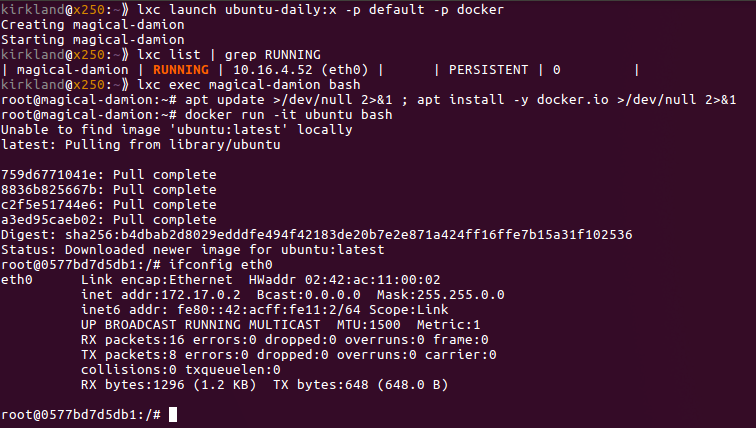
I assume you start with a clean install of Ubuntu Server 16.04 (some modifications may be needed for older versions of Ubuntu). Depending on your needs you can do these:.
Minimal GUI: sudo apt install xorg sudo apt install -no-install-recommends openbox Run the command startx and openbox will start (you can open a terminal there and run any application you want). Minimal GUI with display manager: sudo apt install xorg sudo apt install -no-install-recommends lightdm-gtk-greeter sudo apt install -no-install-recommends lightdm sudo apt install -no-install-recommends openbox After reboot you will see the lightdm login menu.
The reason why it's called 'Server' is because it's lightweight (no GUI or extra packages) to run the machine as lean as you possibly can. Adding a GUI to it defeats the purpose of a Server installation.
However, installing as Server then using apt-get install/aptitude install your choice of a desktop can help to weed out unnecessary applications than from doing a direct installation of a Ubuntu Desktop release. If you're going this route, I personally like sudo aptitude install -without-recommends ubuntu-desktop EDIT: However, if you're using it as a real 'Server' (ftp, web hosting, DNS, etc.), it is highly recommended to learn how to navigate Ubuntu via its shell instead of the GUI. And what UbuntuIngrained said about the necessity of knowing the shell isn't necessarily true. There are packages that install GUIs for different server functions. If you look very closely at the official Ubuntu Server Guide. Chapter 6 Remote Administration you will find that the last article would be of extreme interest.
Trust me you do not want to install a DeskTop environment on a server, it uses up too many resources up to 50 to 60% if you go bananas and you don't get any benefit to control your server from a GUI standpoint. Read and digest chapter 6.3 Zentyal. That is what you would need. I can't believe I overlooked that myself. So don't be afraid to install it, this is a full blown web interface that my first impression of installing the zentyal-core and zentyal-common was 'AWESOME' look no further for anything other than the sanctioned web interface by Ubuntu creators.
However looks like this software might cost you money, but if you are serious about using a GUI, I'm sure the fees might be affordable for light use. Not everything in life is free if you want it bad enough. However I am sure home use might be fee free, depends on what services you need. This software comes with lots of modules, I dare say you should only install the ones you need. Install gnome package via sudo apt-get install ubuntu-desktop.
You might additionally need to install: x-window-system-core, xserver-xorg, gnome-desktop-environment, gdm but apt-get will probably do that. As to the internet thingy: You can. How to do that depends a bit on your hardware. There is a myriad of forum posts and howtos available on that subject. Packages of interest: bridge-utils OR dnsmasq. The hostapd package is for WLAN access point if you want your laptop to be one. But frankly I don't see, why you don't connect your sever to the internet.
A WLAN card is cheap and easy and I suppose your internet laptop is connected through a router already. Gathering from what you are saying I assume you would like one of two things:. Re-install MacOS. Install a GUI on the (already cleanly wiped) system.
Am I correct in this? If it's the first, you should mark this and ask a Moderator to move it the ' section, if it's the second you once again have two choices:. the Ubuntu 11.04 Desktop installation DVD and install all the required packages on the server, or. Simply install the Desktop Edition on the system from scratch (my suggestion, since you have already wiped everything of interest anyways) and then install any needed server components on top of that using Ubuntu's package manager, or the.