Install Zimbra 7 On Centos 6
On this page. Installing Zimbra Collaboration Suite 7 On CentOS 5.x (64Bit) This article explains how to install Zimbra Collaboration Suite 7 (ZCS) on CentOS 5.x (64Bit). Prepared by Rafael Marangoni, from BRLink Team. Introduction Zimbra is a collaboration suite very widely used in the world. Users can share folders, contacts, schedules and other things, using a very rich web interface. Click to know more about it. One important note is that we're using CentOS 5 64bits, that is not oficially supported by Zimbra team (only RHEL and SUSE are).
But CentOS works fine with Zimbra. 1 Some Prerequisites DNS and Hostname Settings First, we need to configure the DNS entry that is pointing to the server. In this case, we're using the hostname zimbratest.example.com Then, we need to configure the hostname in the Linux box.
Vi /etc/sysconfig/network NETWORKING=yes NETWORKINGIPV6=no HOSTNAME=zimbratest.example.com vi /etc/hosts 127.0.0.1 localhost.localdomain localhost 10.0.0.234 zimbratest.example.com zimbratest Installing Packages Next, we need to install some packages: yum install -y sysstat perl sudo sqlite I suggest that you reboot the Linux box at this point, to apply all the configs. 2 Installing Zimbra 7 Opensource First, we need to download the tarball from Zimbra's website. Mkdir /download cd /download wget http://files2.zimbra.com/downloads/7.0.1GA/zcs-7.0.1GA3105.RHEL54210645.tgz. Initiate the installer: tar -zxvf zcs-7.0.1GA3105.RHEL54210645.tgz cd zcs-7.0.1GA3105.RHEL54210645./install.sh -platform-override PS: The Zimbra installation script checks if the distro is RHEL. To ignore that and install on CentOS, you must use '-platform-override'. The installation script is a wizard. For almost all the options, we'll select the default option.
These are the questions: If you leave the question in blank, it will select the default option. First, we need to agree with the license terms.
Zimbra Collaboration Suite (ZCS) is a groupware product created by Zimbra, Inc. It is widely used in the world. Users can share folders, contacts, schedules and other. Zimbra 8 is a Free Email Server and is considered an Exchange replacement. Zimbra has an easy to use Web GUI that will allow you to manage your email efficiently.
Do you agree with the terms of the software license agreement? N y Now, Zimbra will check all the prerequisites. If anything is not found, stop the Wizard and install it with yum.
If everything is ok, the script will ask what are the packages that we want to install. Just select the default options. Select the packages to install Install zimbra-ldap Y Install zimbra-logger Y Install zimbra-mta Y Install zimbra-snmp Y Install zimbra-store Y Install zimbra-apache Y Install zimbra-spell Y Install zimbra-memcached N Install zimbra-proxy N Afterwards, the script asks you if you want to override the platform. You say 'yes', of course. You appear to be installing packages on a platform different than the platform for which they were built. This platform is CentOS564 Packages found: RHEL564 This may or may not work.
Using packages for a platform in which they were not designed for may result in an installation that is NOT usable. Your support options may be limited if you choose to continue. Install anyway? N y The system will be modified. N y Now, we need to wait the installation procedures.
When all the packages are installed, a menu will be displayed with some config options. We only need to set the admin password. To do that, we need to press 3.
I haven't installed this version of Zimbra, but prior versions were extremely picky about the /etc/hosts file. It needed to have just 2 lines in that file, no more, or the install would fail. The installer will tell you about the error. On prior versions, if the DNS MX record wasn't setup to point to the server being installed, it didn't like that either. If your DNS + MX aren't configured, be prepared for errors during the install. We will definitely be upgrading our version since Zimbra is the best option out there for our requirements, just be aware of a few, easily overcome, bumps during the installation.
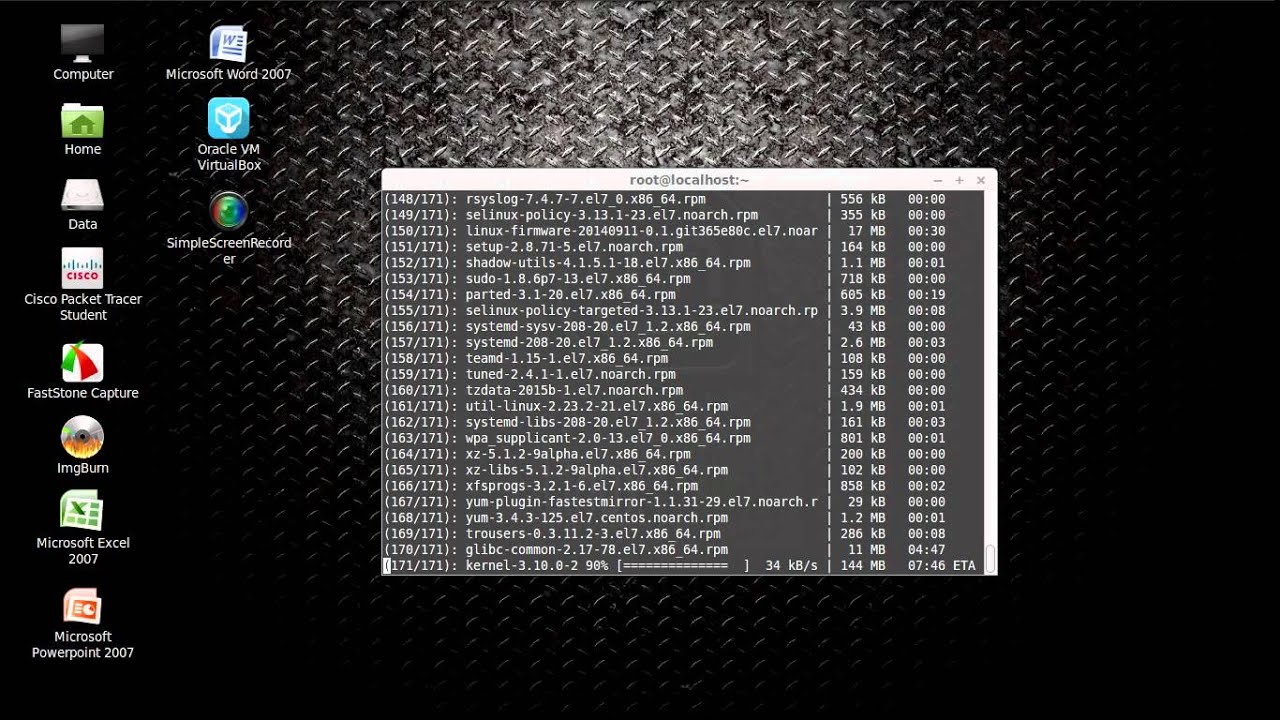
Setting up Zimbra 8.7 on CentOS 7. This is the 2nd video. We have done setting up local DNS to our server so our email can resolve locally without having to connect externally. This video will not cover yet on how to add external MTA and DNS.
The procedures on installing and configuring Zimbra on CentOS 7 are the following. 1: Install required packages by running ' yum -y install perl-core libaio unzip nmap-ncat sysstat openssh-clients' 2: Download the.tgz file from Zimbra. I have downloaded it already on my host machine and moved it to my VM server under /opt folder via scp command 'scp /opt/zimbra.tgz file name root@192.168.124.32:/opt' 3: Access your /opt folder and extract the file by running 'tar xvf zimbra.tgz filename 4: Double check that you're resolv.conf file is resolving to localhost or 127.0.0.1 primarily. 5: By default, Postfix service is running on our system. Zimbra has a built in postfix MTA which we will be using. We need to disable and stop the Postfix service before we install Zimbra. Run the command 'systemctl stop postfix' and 'systemctl disable postfix'.
6: Access the extracted folder of Zimbra and run the command './install.sh' to install the application. 7: Follow the procedures on the video on how to install Zimbra Packages. You can install the necessary packages depends on what you prefer. 8: When you get the prompt to change the domain of your FQDN, type in 'YES' and enter your hostname.
Jan 25, 2016 Hola Tribuna Yutubera!Video completisimo de como Descargar e Instalar DAEMON TOOLS LITE en. Descargar e instalar DAEMON TOOLS LITE gratis y. Descargar daemon tools full. Dec 13, 2012 descargar e instalar DAEMON TOOLS LITE gratis y sin virus 100% garantizado - Duration: 9:40. Daemon Tools - Free downloads and reviews. Emulate CD, DVD, BD and HDD drives. Publisher: Disc Soft. Downloads: 3,1. External File.
Centos 7 Install Options
This will be the domain for every email address that you will make e.g. Zimbracentos.lan, every email will use '@zimbracentos.lan' domain. 9: Set the password for Admin. And follow the screen procedures on saving the configuration. Wait for the installation to finish. 10: Once the installation is done, open your browser and access the IP address of your mail server. Type in Address.
Install Python 2.7 On Centos 6.5
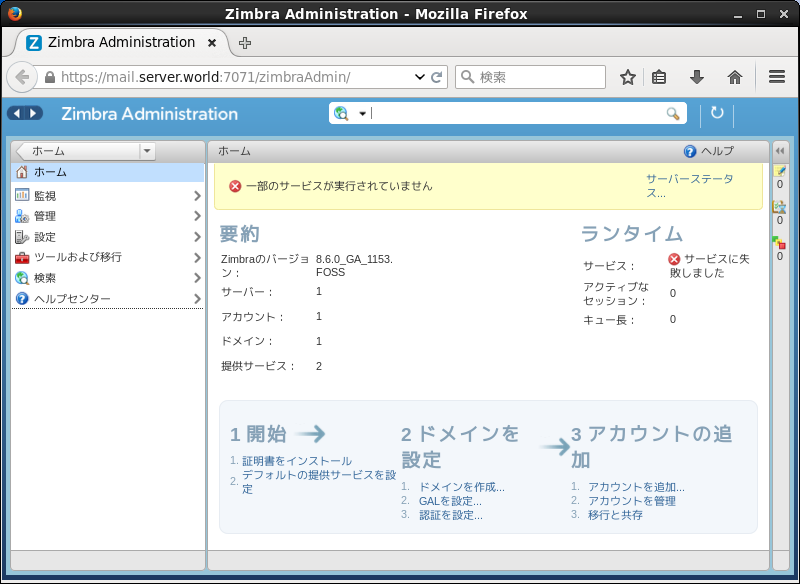
FirewallD is not installed by default in CentOS 7, if in case you have FirewallD installed, please follow the video on how to add rules for port 7071 and http, https services so you can access the web client. 11: Zimbra installation comes with dnscache. We will not be using this as we had locally installed our DNS. To remove the package, run 'su - zimbra' to switch as Zimbra user then run the command 'zmprov gs `zmhostname` -zimbraServiceInstalled dnscache -zimbraServiceEnabled dnscache'. 12: After removing the dnscache and adding rules to your Firewall, access the URL ' Address:7071' to access the Admin Console. 13: Since the 'self signed certificate' is already installed, you will be asked to confirm the exception before accessing the web Zimbra client.
Just click on 'Add Exception' so you can proceed on the login screen. 14: Login on the screen with the Admin password that you set. 15: Follow the video on how to create users on the server via Admin Console.
Hope these videos helped you on how to setup Zimbra for testing purposes. There are other configurations that we need to setup before you can send email outside of the network. This setup is a single node locally. I will do my best to update the series so we can test how to use Zimbra in sending external email. Please leave some comments or constructive criticism so I can also improve my tutorials. Don't forget to subscribe.